

sales@sterimaxengineering.com
+912227784440

Linoor
Menu
  • About Us
    • About Us
    • Our team
  • Moulds
    • Moulds
    • Other Products
  • categories
    • LVP Machines
      • BFS 9166
      • BFS 8166
      • BFS 540
    • SVP Machines
      • FFS 3105
      • FFS 9105
      • FFS 9090
    • Cap Sealing Machine: 400 Series
  • Portfolio
    • Client
    • Gallery new
  • Facility
  • Contact
Language Icon
×

Inquiry Form

Get in Touch +91 2227784440
Get a Quote
  • M.I.D.C. Near Millennium Business Park, Mahape, Navi Mumbai-400710 Maharastra, India
  • sales@sterimaxengineering.com

Blog Posts

  • 10 Jan
  • Admin
  • 2 Comments

The Benefits of Form Fill Seal Machines for Food and Pharmaceutical Packaging

In the latest fast-paced manufacturing environment, efficiency, precision, and reliability are essential for packaging processes, particularly in industries like food and pharmaceuticals. Form Fill Seal (FFS) machines have emerged as a game-changing solution, offering numerous advantages that cater to the unique needs of these sectors. From ensuring product safety to enhancing production speed, FFS machines are revolutionizing the way products are packaged. In this blog, we’ll explore the key benefits of Form Fill Seal machines and how they are transforming food and pharmaceutical packaging.

1. High-Speed and Efficiency

One of the most significant advantages of FFS machines is their ability to handle high-speed production. These machines automate the entire packaging process—from forming the packaging material to filling it with the product and sealing it securely—all in one seamless operation.

For food and pharmaceutical companies, where large-scale production is often a requirement, this automation translates to shorter production times, reduced labor costs, and the ability to meet tight deadlines. FFS machines can handle thousands of packages per hour, significantly improving productivity and operational efficiency.

2. Enhanced Product Safety

In the food and pharmaceutical industries, product safety is non-negotiable. Contamination during packaging can have severe consequences, including health risks and reputational damage. FFS machines operate in a closed system, minimizing the risk of contamination during the packaging process.

For example, in pharmaceuticals, sterile environments are crucial to maintaining the integrity of medicines. FFS machines designed for these industries often incorporate aseptic packaging technology, ensuring that the products remain free from contaminants throughout the process. Similarly, for food items, the use of airtight seals ensures freshness and extends shelf life.

3. Cost-Effectiveness

FFS machines are a cost-effective solution for manufacturers. By integrating multiple packaging functions into a single machine, these systems reduce the need for additional equipment and manpower.

Moreover, FFS machines optimize the use of packaging materials, minimizing waste. For example, these machines can customize the package size according to the product, ensuring that only the necessary amount of material is used. This not only reduces material costs but also supports sustainability initiatives by decreasing overall waste.

4. Versatility in Packaging

FFS machines are incredibly versatile, making them suitable for a wide range of products in the food and pharmaceutical sectors. Whether it’s liquid, powder, granules, or semi-solid products, these machines can handle various forms of goods with ease.

Additionally, FFS machines allow manufacturers to create customized packaging designs, including different sizes, shapes, and formats, such as sachets, pouches, or bottles. This versatility enables brands to cater to diverse consumer preferences and market needs.

5. Consistency and Precision

Manual packaging processes often lead to inconsistencies, which can affect product quality and consumer trust. FFS machines eliminate this issue by ensuring uniformity and precision in every package.

Advanced FFS systems are equipped with sensors and controls that monitor and adjust the process in real-time. This ensures that the exact amount of product is dispensed into each package, reducing wastage and maintaining consistency across the production line.

6. Improved Shelf Life

For perishable food items and sensitive pharmaceutical products, extending shelf life is crucial. FFS machines use advanced sealing technologies to create airtight and tamper-proof packaging, protecting the contents from external factors like moisture, light, and air.

For instance, in the food industry, this technology preserves the freshness and taste of products, while in pharmaceuticals, it safeguards the potency and effectiveness of medicines.

7. Integration with Modern Technology

Modern FFS machines are designed to integrate seamlessly with other technologies, such as IoT and automation systems. This connectivity allows manufacturers to monitor and control the packaging process remotely, improving operational efficiency and reducing downtime.

Additionally, features like real-time data tracking and analytics help manufacturers optimize performance and identify areas for improvement.

Conclusion

Form Fill Seal (FFS) machines have become an indispensable tool for food and pharmaceutical manufacturers, offering a perfect combination of speed, safety, cost-efficiency, and versatility. By automating the packaging process and ensuring precision, these machines not only streamline production but also help businesses deliver high-quality products to their customers.

In an era where consumer expectations and regulatory standards are higher than ever, investing in FFS technology is a strategic move that can elevate your brand and boost operational efficiency. Whether you’re in the food or pharmaceutical sector, FFS machines provide the reliability and innovation needed to stay ahead in a competitive market.

Read More
  • 10 Jan
  • Admin
  • 2 Comments

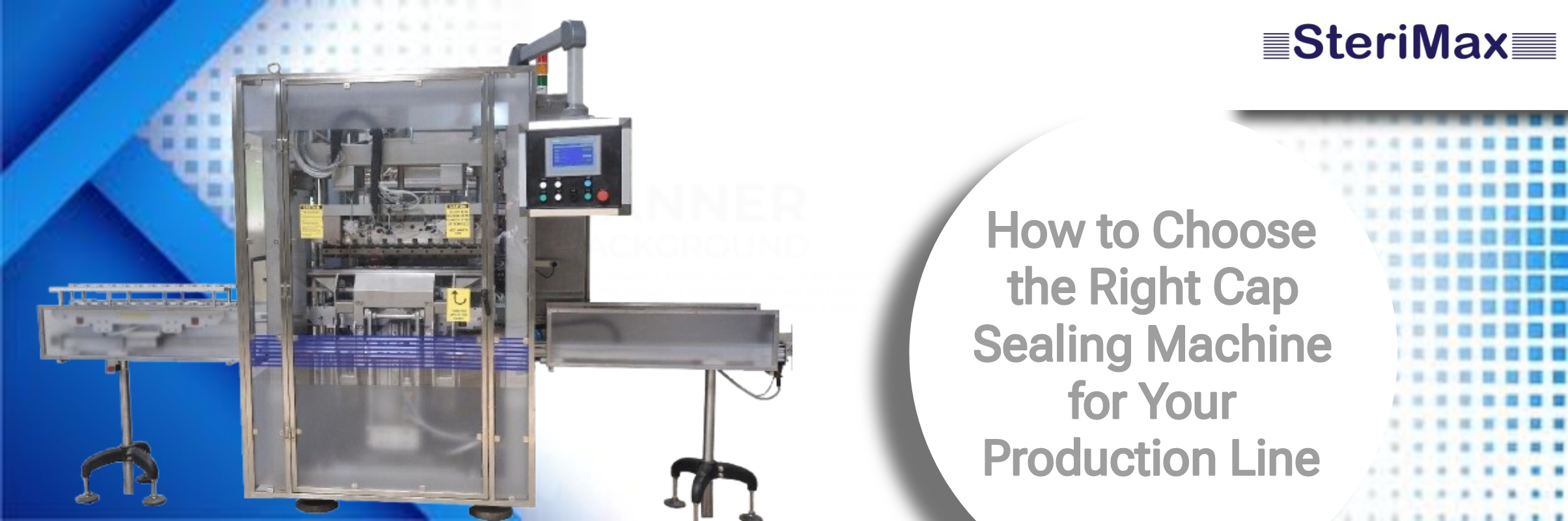
How to Choose the Right Cap Sealing Machine for Your Production Line

Cap sealing machines are essential components of modern production lines, especially in industries like food and beverage, pharmaceuticals, cosmetics, and chemicals. These machines ensure that containers are securely sealed, protecting the product's quality and extending its shelf life. Choosing the right cap sealing machine for your production line is key for efficiency, cost-effectiveness, and product safety. Here’s a complete guide to help you make the right decision.

1. Understand Your Production Requirements

Before diving into technical specifications, evaluate your production needs:

Production Volume: Estimate the number of containers your line processes daily. High-speed production lines may require fully automated cap sealing machines, while small-scale operations might benefit from semi-automatic or manual options.

Container Types and Sizes: Consider the types of containers you’ll be sealing—glass, plastic, or metal. The size and shape of the containers will also influence your choice.

Cap Types: The type of caps you use (screw caps, snap-on caps, ROPP caps, or crown caps) will determine the machine's compatibility.

2. Choose the Right Type of Cap Sealing Machine

There are various cap sealing machines available, each designed for specific needs:

Induction Cap Sealers: Ideal for sealing plastic and glass containers with foil-lined caps. These machines use electromagnetic induction to create a hermetic seal. They're commonly used in the food and beverage and pharmaceutical industries.

ROPP (Roll-On Pilfer Proof) Cap Sealers: Perfect for aluminum caps, these machines create tamper-evident seals. They are widely used in the wine, spirits, and pharmaceutical industries.

Screw Capping Machines: These machines are designed for applying screw caps and are versatile enough for different container sizes and cap designs.

Crown Capping Machines: Used primarily in the beverage industry for sealing bottles with crown caps.

Vacuum Cap Sealers: These machines remove air from the container before sealing, enhancing product preservation.

3. Consider Automation Level

The level of automation you choose will depend on your budget and production scale:

Manual Machines: Suitable for small-scale operations with lower production volumes. These are cost-effective but require significant manual effort.

Semi-Automatic Machines: Strike a balance between cost and efficiency. Operators place the caps on containers, and the machine completes the sealing process.

Fully Automatic Machines: Ideal for high-volume production lines. These machines integrate seamlessly with conveyor systems, automatically positioning, capping, and sealing containers.

4. Evaluate Build Quality and Durability

A cap sealing machine is a long-term investment. Look for machines made from high-quality materials like stainless steel, which is corrosion-resistant and durable. The machine should be robust enough to handle your production demands without frequent breakdowns.

5. Check for Flexibility and Scalability

As your business grows, your production requirements may change. Choose a machine that can adapt to different container sizes, cap types, or production speeds. Modular machines that allow for upgrades or additional features are a great choice for scalability.

6. Focus on User-Friendliness and Maintenance

Ease of operation and maintenance are critical factors. Opt for machines with intuitive controls, clear instructions, and minimal downtime for cleaning or repairs. Features like touchscreen interfaces, automated adjustments, and diagnostic tools can improve usability.

7. Consider Energy Efficiency and Sustainability

Energy-efficient machines can reduce operating costs and align with sustainability goals. Some modern cap sealing machines are designed to consume less power and produce minimal waste.

8. Budget Wisely

While cost is an important factor, avoid compromising on quality for a lower upfront price. A reliable, high-quality machine may have a higher initial cost but will save money in the long run through improved efficiency and reduced maintenance expenses.

9. Research Vendors and Manufacturers

Choose a reputable supplier with a proven track record in providing reliable cap sealing solutions. Look for manufacturers that offer excellent customer support, training, and after-sales services. Reading customer reviews and seeking recommendations can help in making an informed decision.

10. Test Before Purchase

Whenever possible, request a demo or trial of the machine. This allows you to assess its performance, compatibility with your production line, and ease of operation.

Final Thoughts

Investing in the right cap sealing machine is key for optimising your production line’s efficiency and ensuring product integrity. By carefully assessing your production needs, understanding the types of machines available, and prioritizing quality and scalability, you can make an informed decision. A well-decided cap sealing machine not only improves productivity but also contributes to consistent product quality and strengthens your brand's reputation.

Read More
  • 10 Jan
  • Admin
  • 2 Comments

Top Trends Shaping the Future of Packaging Machines in 2025

Packaging plays a crucial role in today’s fast-paced world, bridging the gap between production and consumption. As technology advances, the packaging industry is poised for revolutionary changes, with machines becoming smarter, faster, and more sustainable. In 2025, packaging machinery is expected to transform significantly, driven by innovations and changing consumer demands. Here, we explore the top trends that will define the future of packaging machines.

1. Smart and Connected Packaging Machines

The rise of Industry 4.0 has introduced a wave of smart technology into manufacturing processes, and packaging machines are no exception. By 2025, the integration of IoT (Internet of Things) in packaging equipment will allow real-time monitoring, predictive maintenance, and enhanced efficiency.

These machines will be equipped with sensors and analytics tools to provide data on machine performance, material usage, and operational bottlenecks. Such connectivity not only optimizes production but also minimizes downtime, ensuring seamless operations. Moreover, the incorporation of AI (Artificial Intelligence) will enhance decision-making processes, enabling machines to self-adjust for maximum output.

2. Sustainability in Packaging Machinery

Sustainability has become a priority across industries, and packaging is no different. With consumers and regulators demanding eco-friendly solutions, the future of packaging machines lies in reducing waste and utilizing sustainable materials.

In 2025, machines will be designed to accommodate biodegradable, recyclable, and compostable packaging materials without compromising efficiency. Energy-efficient machinery will also be a key trend, as companies aim to lower their carbon footprint. Advances in technology will allow for precision in material usage, eliminating excess waste and making packaging processes more environmentally friendly.

3. Automation and Robotics

Automation has been a game-changer in manufacturing, and its influence on packaging will only grow. By 2025, robotics will dominate the packaging floor, enabling faster, more precise operations. From sorting and filling to sealing and labeling, robots will handle complex tasks with ease, improving productivity and reducing labor costs.

Collaborative robots, or cobots, will work alongside human operators, ensuring flexibility and safety. These robots will be especially beneficial for industries with high variability in packaging needs, such as e-commerce and food production. With the integration of machine learning, these systems will continue to improve over time, adapting to changing requirements.

4. Customization and Personalization

Consumer expectations have shifted towards more personalized experiences, and packaging is no exception. By 2025, packaging machines will support mass customization, allowing brands to create tailored packaging designs efficiently.

Digital printing technologies will enable quick design changes, while modular machine setups will allow for flexibility in packaging sizes and formats. This trend is especially relevant in industries like cosmetics, beverages, and luxury goods, where unique packaging can enhance brand identity and customer satisfaction.

5. Advanced Safety and Hygiene Standards

The COVID-19 pandemic underscored the importance of hygiene and safety in packaging, a trend that will continue to shape the industry. In 2025, packaging machines will prioritize sanitary designs, reducing the risk of contamination.

Contactless operations, self-cleaning mechanisms, and antimicrobial components will become standard features. These advancements will be particularly critical for sectors like food, pharmaceuticals, and healthcare, where strict hygiene standards are non-negotiable.

6. Integration with Augmented Reality (AR) and Virtual Reality (VR)

AR and VR technologies are making their way into the packaging industry, offering new possibilities for machine operations and consumer engagement. By 2025, AR-enabled packaging machines will assist operators with real-time troubleshooting and virtual training sessions.

On the consumer side, brands will leverage AR packaging to create interactive experiences. Packaging machines will need to accommodate innovative designs that integrate QR codes and digital features, enhancing the customer journey and fostering brand loyalty.

7. Focus on Compact and Modular Machines

As production floors become more constrained, the demand for compact and modular packaging machines will rise. By 2025, manufacturers will emphasize space-efficient designs that can be easily integrated into existing production lines.

Modular machines, with their plug-and-play components, will offer scalability and versatility, allowing companies to adapt to fluctuating demands quickly. These machines will also simplify maintenance and upgrades, ensuring long-term cost efficiency.

Conclusion

The future of packaging machines is set to be defined by smart technology, sustainability, and adaptability. As we approach 2025, businesses investing in these trends will gain a competitive edge, meeting consumer demands while driving operational efficiency.

By embracing innovations such as IoT, robotics, and sustainable practices, packaging machinery will not only revolutionize production but also contribute to a greener and smarter future. The journey ahead promises exciting developments, making it an opportune time for industry stakeholders to rethink and reshape their packaging strategies.

Read More
  • 10 Jan
  • Admin
  • 2 Comments

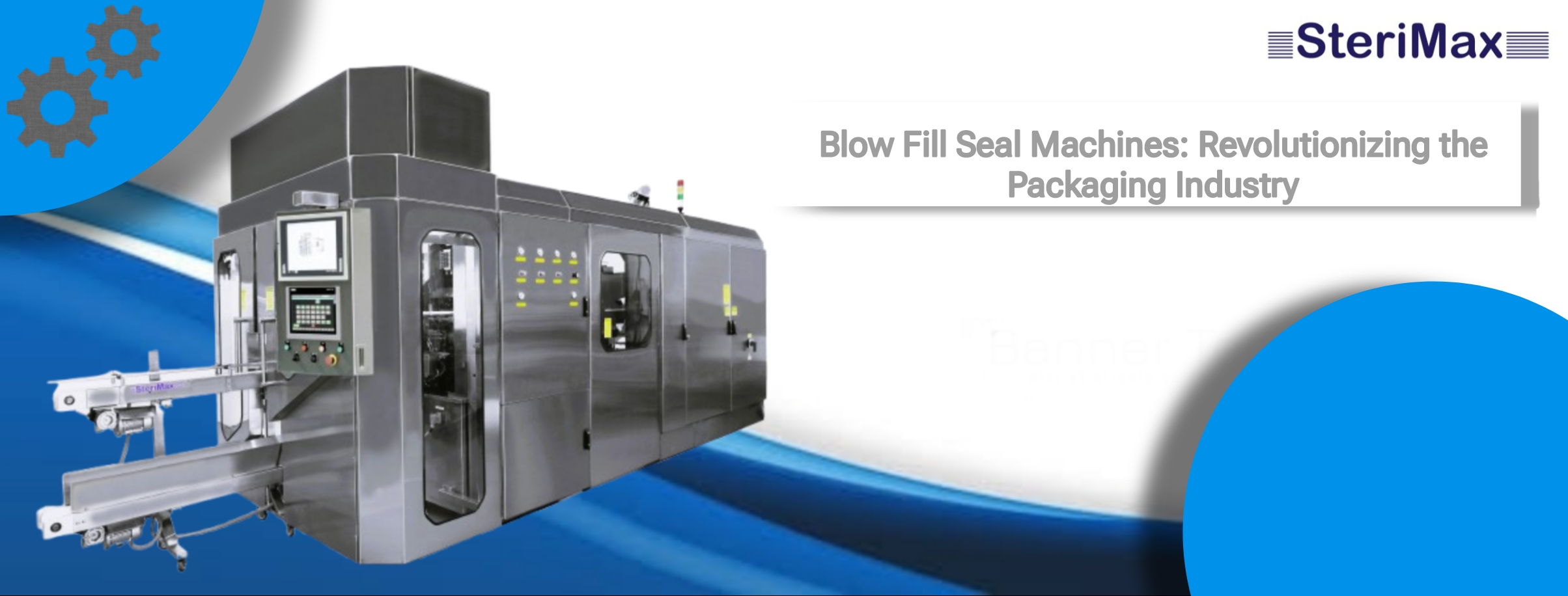
Blow-Fill-Seal Machines: Revolutionizing the Packaging Industry

The packaging industry has witnessed a technological revolution in recent decades, and one of the most innovative advancements is the development of Blow-Fill-Seal (BFS) machines. These machines, widely used in industries such as pharmaceuticals, food and beverage, and cosmetics, streamline the packaging process by combining three critical steps—blowing, filling, and sealing—into a single, automated operation. This blog delves into the significance, working mechanism, and benefits of BFS technology, explaining why it has become a game-changer in modern packaging.

What Are Blow-Fill-Seal Machines?

Blow-Fill-Seal (BFS) technology is an automated packaging process that involves forming containers, filling them with product, and sealing them—all within a single integrated system. This method eliminates the need for pre-formed containers, making it highly efficient and cost-effective. Developed in the mid-20th century, BFS machines have grown to become a preferred choice for manufacturers, particularly in industries that require high levels of sterility and precision.

How Do BFS Machines Work?

The BFS process can be divided into three key stages:

1. Blowing:

The machine begins by heating a thermoplastic resin, such as polyethylene or polypropylene, until it becomes molten. The molten plastic is extruded into a mold, where it is inflated using sterile air to create a hollow container.

2. Filling:

Once the container is formed, it is immediately filled with the product—whether it’s a liquid, semi-solid, or viscous material. This filling process occurs in a sterile environment, ensuring that the product is not exposed to contaminants.

3. Sealing:

After filling, the machine seals the container, creating an airtight package that protects the product from external factors such as moisture, air, and pathogens. The sealed containers are then cut and separated from the machine, ready for distribution.

Benefits of BFS Technology

The Blow-Fill-Seal process offers several advantages over traditional packaging methods, making it a preferred solution for manufacturers globally:

1. Sterility and Contamination Control

BFS machines operate in a controlled, sterile environment, minimizing the risk of microbial contamination. This makes them ideal for packaging pharmaceuticals, vaccines, and other sensitive products.

2. Efficiency and Speed

With all three steps—blowing, filling, and sealing—integrated into one machine, BFS technology significantly reduces processing time. This efficiency allows manufacturers to meet high production demands without compromising quality.

3. Cost-Effectiveness

By eliminating the need for pre-formed containers and reducing material wastage, BFS machines offer substantial cost savings. Additionally, their automation minimizes labor requirements, further reducing operational expenses.

4. Customization and Versatility

BFS machines can be programmed to produce containers of various shapes, sizes, and volumes, making them versatile for different industry needs. Whether it’s a single-dose vial or a multi-dose container, BFS technology can accommodate diverse specifications.

5. Environmental Sustainability

Since BFS machines use lightweight thermoplastics and reduce material waste, they are considered an eco-friendly option. Some manufacturers also use recyclable or biodegradable plastics, further aligning with sustainability goals.

Applications of BFS Machines

Blow-Fill-Seal technology is widely used across multiple industries:

  • Pharmaceuticals: For packaging sterile solutions, ophthalmic products, and single-dose medications.
  • Food and Beverage: To package juices, dairy products, and condiments in hygienic, tamper-proof containers.
  • Cosmetics and Personal Care: For single-use sachets of creams, gels, and lotions.
  • Industrial Products: In some cases, BFS machines are used to package chemicals and lubricants.

Challenges and Future Outlook

While BFS technology offers numerous advantages, it does have some limitations. High initial investment costs and the need for specialized operators can be barriers for smaller manufacturers. However, ongoing advancements in technology are addressing these challenges by making machines more affordable and user-friendly.

The future of BFS technology looks promising, with innovations focusing on greater energy efficiency, enhanced customization, and the use of sustainable materials. As global demand for safe, efficient, and eco-friendly packaging solutions continues to rise, Blow-Fill-Seal machines are poised to play an even more significant role in the packaging industry.

Conclusion

Blow-Fill-Seal machines are revolutionizing the packaging industry by offering unparalleled efficiency, sterility, and versatility. From pharmaceuticals to food and cosmetics, their impact is far-reaching, transforming how products are packaged and delivered. As technology evolves, BFS systems will continue to redefine industry standards, ensuring products reach consumers safely, efficiently, and sustainably. For manufacturers seeking to stay ahead in a competitive market, investing in BFS technology is not just an option—it’s a necessity.

Read More
  • 10 Jan
  • Admin
  • 2 Comments

The Role of Automation in Modern Packaging Solutions

In today's fast-paced and highly competitive global market, the demand for efficiency, precision, and sustainability in packaging has reached unprecedented levels. Businesses across industries are leveraging automation to revolutionize their packaging processes, achieving greater productivity and consistency while meeting consumer and environmental demands. This blog explores the transformative role of automation in modern packaging solutions and its impact on businesses, customers, and the planet.

The Rise of Automation in Packaging

Automation in packaging isn't a new concept, but recent advancements in technology have elevated its capabilities. Modern packaging automation encompasses a variety of processes, including product sorting, assembly, labeling, sealing, palletizing, and more. Cutting-edge technologies such as robotics, artificial intelligence (AI), and the Internet of Things (IoT) have driven the industry forward, enabling packaging systems to operate with remarkable speed and accuracy.

Today, fully automated packaging lines are becoming commonplace in industries like food and beverage, pharmaceuticals, e-commerce, and consumer goods. These systems are designed to streamline operations, minimize human intervention, and deliver consistent results.

Key Benefits of Automation in Packaging

1. Enhanced Efficiency and Productivity

Automation drastically reduces the time and effort required for packaging processes. Machines operate around the clock without fatigue, ensuring continuous production. Automated systems can handle large volumes with ease, meeting tight deadlines and fluctuating market demands.

2. Improved Precision and Consistency

Human errors in packaging can lead to costly rework and dissatisfied customers. Automation ensures uniformity in packaging, from precise measurements to accurate labeling. Advanced sensors and AI-driven tools further enhance quality control, reducing defects and maintaining brand reputation.

3. Cost Reduction

While the initial investment in automation can be significant, the long-term savings outweigh the costs. Automated systems reduce labor expenses, minimize material wastage, and lower energy consumption through optimized operations.

4. Enhanced Safety

Packaging environments often involve repetitive tasks and potentially hazardous machinery. Automation eliminates the need for human involvement in high-risk processes, reducing workplace injuries and ensuring employee safety.

5. Scalability and Flexibility

Modern automated systems are designed to adapt to various packaging needs. From small batches to mass production, these systems can scale operations efficiently. Additionally, reconfigurable machines allow businesses to switch between different product lines seamlessly.

Automation Technologies Transforming Packaging

1. Robotics

Robots play a pivotal role in modern packaging. From robotic arms handling delicate items to automated palletizing systems, robotics bring speed and precision to every stage of the process. Collaborative robots (cobots) are also gaining popularity, working alongside human operators to enhance productivity.

2. Artificial Intelligence and Machine Learning

AI-driven systems analyze data in real-time to optimize packaging operations. Machine learning algorithms can predict maintenance needs, identify defects, and improve workflow efficiency. For example, AI can adjust packaging speed based on product dimensions and material properties.

3. IoT and Smart Packaging

IoT-enabled devices provide real-time monitoring and control of packaging lines. Smart sensors track temperature, humidity, and other variables, ensuring product integrity throughout the supply chain. Additionally, IoT facilitates predictive maintenance, reducing downtime and enhancing equipment reliability.

4. Sustainable Packaging Solutions

Automation supports eco-friendly packaging initiatives by optimizing material usage and enabling the use of biodegradable and recyclable materials. Machines designed for sustainable practices help businesses meet environmental regulations and appeal to eco-conscious consumers.

Challenges and Future Prospects

Despite its numerous advantages, automation in packaging comes with challenges. High initial costs, integration complexities, and the need for skilled technicians can deter small and medium-sized enterprises. However, as technology continues to advance and costs decrease, automation is becoming more accessible to businesses of all sizes.

The future of packaging lies in smart, interconnected systems that leverage AI, IoT, and advanced robotics. Innovations such as 3D printing for custom packaging and blockchain for supply chain transparency are also on the horizon. These technologies promise to further enhance efficiency, sustainability, and customer satisfaction.

Conclusion

Automation is revolutionizing modern packaging solutions, enabling businesses to stay competitive in an ever-evolving marketplace. By embracing automation, companies can achieve greater efficiency, precision, and sustainability while meeting the demands of consumers and regulators alike. As technology continues to evolve, the possibilities for automated packaging are limitless, promising a future where packaging is faster, smarter, and greener.

The integration of automation into packaging processes is no longer optional—it's a necessity for businesses aiming to thrive in the modern world.

Read More
“
These blogs are created to share the latest insights, tips, and updates on [your niche]. Our goal is to empower readers with knowledge and practical solutions.

Latest Posts

Creating Experiences That Truly Connect With People
Building and Activating Brands with Strategic Insights
Gaining a Deep Understanding of Our Audience

Comments

Jane Smith on The Benefits of Form Fill Seal Machines
John Doe on How to Choose the Right Cap Sealing Machine
Alice Johnson on Top Trends Shaping the Future of Packaging Machines
Michael Brown on Blow-Fill-Seal Machines: Revolutionizing the Packaging Industry
Emily Davis on The Role of Automation in Modern Packaging Solutions
SteriMax India Pvt.ltd.

SteriMax was established in November, 2007 with vision of serving pharmaceutical Industry with his innovative machineries manufactured first time in India. In India there was huge demand for IV Fluid….

Explore
  • About
  • Meet Our Team
  • Our Portfolio
  • Latest News
  • Contact
Contact

A606/1B, TTC Industrial Area, M.I.D.C. Near Millennium Business Park, Mahape, Navi Mumbai-400710 Maharastra, India

  • +912227784440
  • +917710962132
  • sales@sterimaxengineering.com
Gallery
linoor linoor linoor linoor
© Copyright 2024 by SteriMax India Pvt.ltd. Designed & Developed by CodeRest.